

With a steeply growing interest in electric vehicles, we see more car buyers choosing this sustainable means of transport. A lot of us may be interested but may have limited experience or knowledge of electric vehicles despite many reputed models being in the market for a long time now.
Wondering how an electric car will fit into your life? How much it will change your daily travel? What’s the whole buzz about? We’ve put together, 10 most frequently asked questions about electric cars that tell you everything you need to know about them.
Why should I buy an electric car?
A great alternative to petrol cars, electric cars offer significantly lower fuel costs than fuel-powered cars. From the environmental impact to the savings you can make on fuel, tax, and maintenance costs, there are a wide variety of benefits for making the switch to an EV.
- They are cheaper and more easily maintained
- With 0 emissions, these vehicles are good for the environment
- They are usually equipped with a fast, all-weather home charging
- They have fewer fuelling costs
- They are quieter than petrol cars and this makes driving more comfortable
Why’s an electric car not right for me?
Even though electric cars are getting some positive attention, people remain skeptical about EV technology in India. There is a foggy understanding (with some myths, and some facts) that is stopping the transition to electric vehicles. In India, these are some observations we’ve made that show us that people are not ready yet.
- A concern that electric cars do not match the range covered by most petrol vehicles
- High ownership costs, where electric cars are more expensive than petrol-powered vehicles
- Charging happens slower than pumping gas
- The lack of charging stations and service centers across cities
- Concerns over battery wear and tear
What should I consider while buying an electric car?

Owning an electric car has its advantages and disadvantages. Electric or otherwise, while picking a car you need to see if it suits your particular situation and needs. Here are some things to consider if you’re looking to buy an electric car;
- Am I investing in a single-car or multi-car household?
- How many miles do I drive each day?
- Do I have access to regular charging at home or work?
- What is my electricity cost going to be?
- Do I frequently travel long distances (or beyond the electricity range)?
- Do I have ample service stations and public charging infrastructure where I live?
How long does it take to charge an electric car?
Charge times vary largely, depending on how fast the car can take the charge, the size of the battery, and the circuit. Typically, electric cars charging overnight at home is the cheapest and most convenient option.
A public charging point can bring an exhausted EV to 80% charge in about 30 minutes. While this does seem much longer than fuelling petrol or diesel if you’ve driven far enough to recharge you might need a break anyway. Further, unless you plan to travel great distances daily, chances that you’ve to fill up fully are slim.
What is the range of an electric car?
Most electric cars cover more than 200 km on a full charge; much lesser compared to a 400 or 500 km range of petrol vehicles. Specific range depends on the make and model of the car.
Most electric cars are best suited for daily commuting, with convenient charging options from home or work without it impacting your routine. For longer journeys, using rapid chargers at service car parks, petrol stations, and even some big supermarkets, are the quickest way to charge your EV.
What is the difference between a Plug-in Hybrid and a pure electric car?
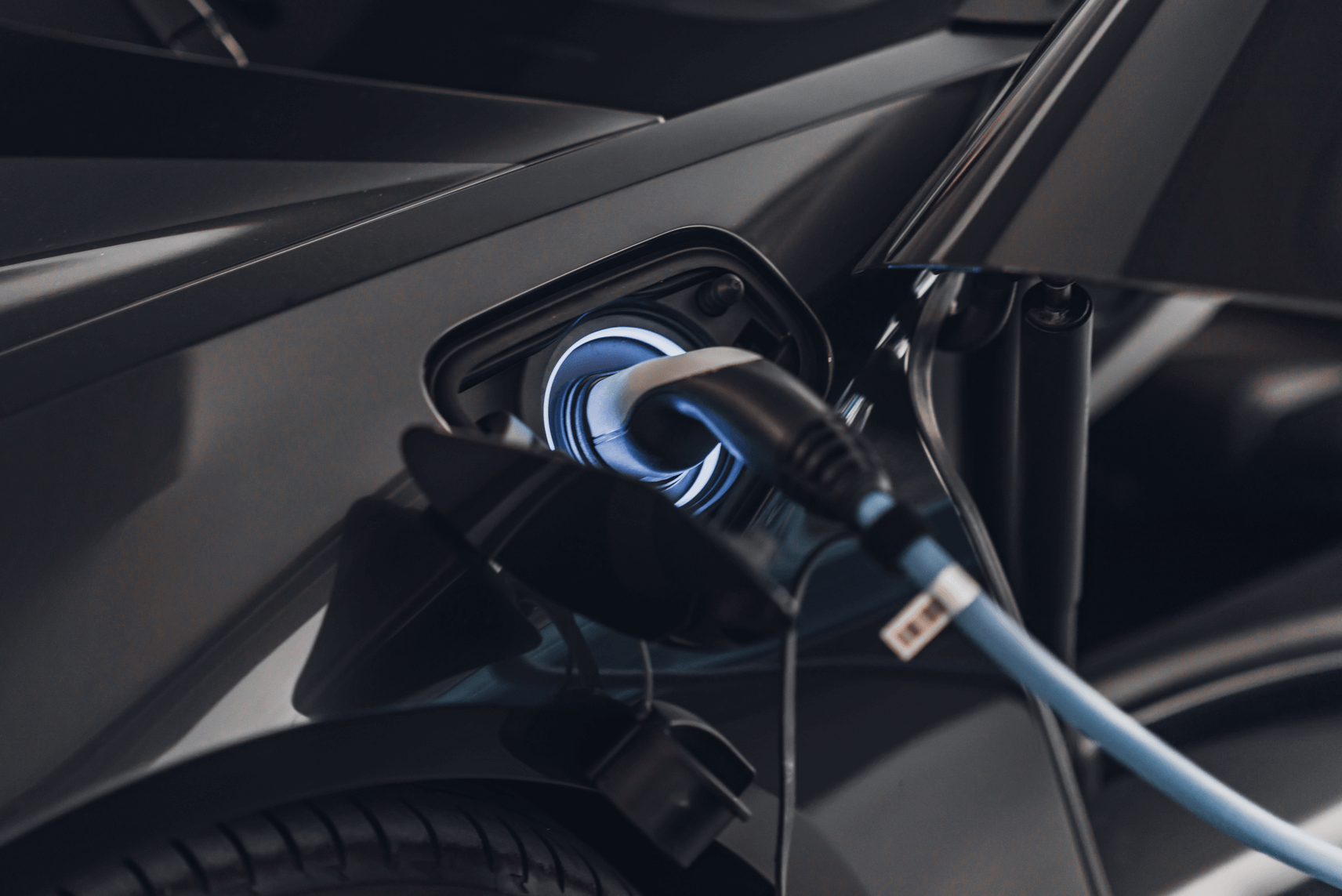
The main difference between a plug-in hybrid and a pure electric car is the power system by which they operate.
A plug-in hybrid operates on a double-power system that combines rechargeable batteries and a backup petrol engine. So once the battery is depleted, hybrid changes from running on electricity to driving like a regular car, and can refuel at any petrol station.
Pure electric cars, on the other hand, are powered only by an electric engine that operates on rechargeable batteries. Since these have lesser components compared to a hybrid, they have lower maintenance costs.
Are electric cars cheaper or more expensive to run?
While they may be priced higher than their petrol or diesel counterparts the good news is, electric cars are likely to cost you lesser to run throughout ownership. As they work primarily on electricity, and with electricity costing lesser than petrol or diesel, electric cars need lesser maintenance than an internal combustion engine.
Taxes, registration, and insurance are likely to be the same fuel-powered cars; and like any other device or appliance that works on electricity, it will add up to your electricity bill.
Do electric cars break down more?
When we speak of maintenance and wear and tear of parts, a common concern amongst buyers is if electric cars get a little worse for wear over time. The answer is, no.
Since it has lesser moving parts, an electric car is less likely to break down compared to petrol or diesel cars. This also reflects in maintenance costs since electric cars don’t come fitted with heavy-duty parts like a gearbox, exhaust, starter motor and so much more. Of a lighter design, even the brakes of an EV are resistant to wear and tear as they use regenerative braking.
Can I drive an electric car in the rain?
Generally, water and electricity do not mix but electric cars are an exception.
They are designed to withstand water and rain intrusion, making it perfectly safe to drive and charge in any weather. Some EVs are built with safety features that easily cope in flood situations as well. They also repel dust particles that can be very damaging to an electric system.
Can you buy or sell second-hand electric cars?
You can buy or sell a second-hand electric car, like any other vehicle. However, there are a few things to watch out for while buying a second-hand EV.
- Battery capacity in keeping the charge
- A check on battery warranty
- All functions and electrics work smoothly
- Look out for unusual noise, bumps, or vibrations as you take it for a test drive
With this information in place, you can make a better-informed decision on whether an electric car is suited for you or not. Either way, EV news in India is familiarizing more and more people with information on electric vehicles in the market.
